Why Does Pressure Fall When Several Fixtures Run?
Pressure drops under shared demand when the supply or a restriction cannot deliver enough water to every open fixture. A weak upstairs shower during kitchen use can point to a whole-home issue, not just a faulty showerhead. Start by noticing whether the problem affects every tap or only one.
On a private well, the tank’s air charge helps the system store and deliver water; a charge problem can make pressure less steady when demand rises. A pressure-reducing valve may also need replacement in an older Portland home if it no longer controls flow properly.
We sometimes hear requests for “cleaning services”; this is plumbing diagnosis and repair, not routine housecleaning. Short version: identify the source before changing parts.
Why does pressure fall when demand rises?
When someone showers while a dishwasher or kitchen faucet runs, the plumbing must divide available flow among those fixtures. A restriction or supply limitation that goes unnoticed with one tap open may become obvious with several.
In Maine homes, the source can be a municipal supply issue or a private-well system that is not keeping up; those require different checks. We start with a whole-home pressure test, comparing readings at rest and during use instead of guessing from one weak shower.
The result helps show whether the trouble is across the house or limited to a branch. A pressure drop matters more when several fixtures lose force together than when one faucet alone has a clogged screen.
Could the pressure regulator be the cause?
A pressure-reducing valve controls incoming pressure, and a valve that sticks or fails can interfere with flow as household demand changes. Replacement makes sense when testing points to the regulator rather than a blocked fixture or supply limitation.
The decision to replace a pressure-reducing valve should follow a diagnosis, not a quick adjustment based on one symptom. In Portland, pressure regulator replacement also means checking the valve’s condition and installation location before planning the work.
We explain the evidence and options before recommending a repair. A regulator is not a pump: it controls excessive incoming pressure rather than creating more supply.
What changes between a well and municipal supply?
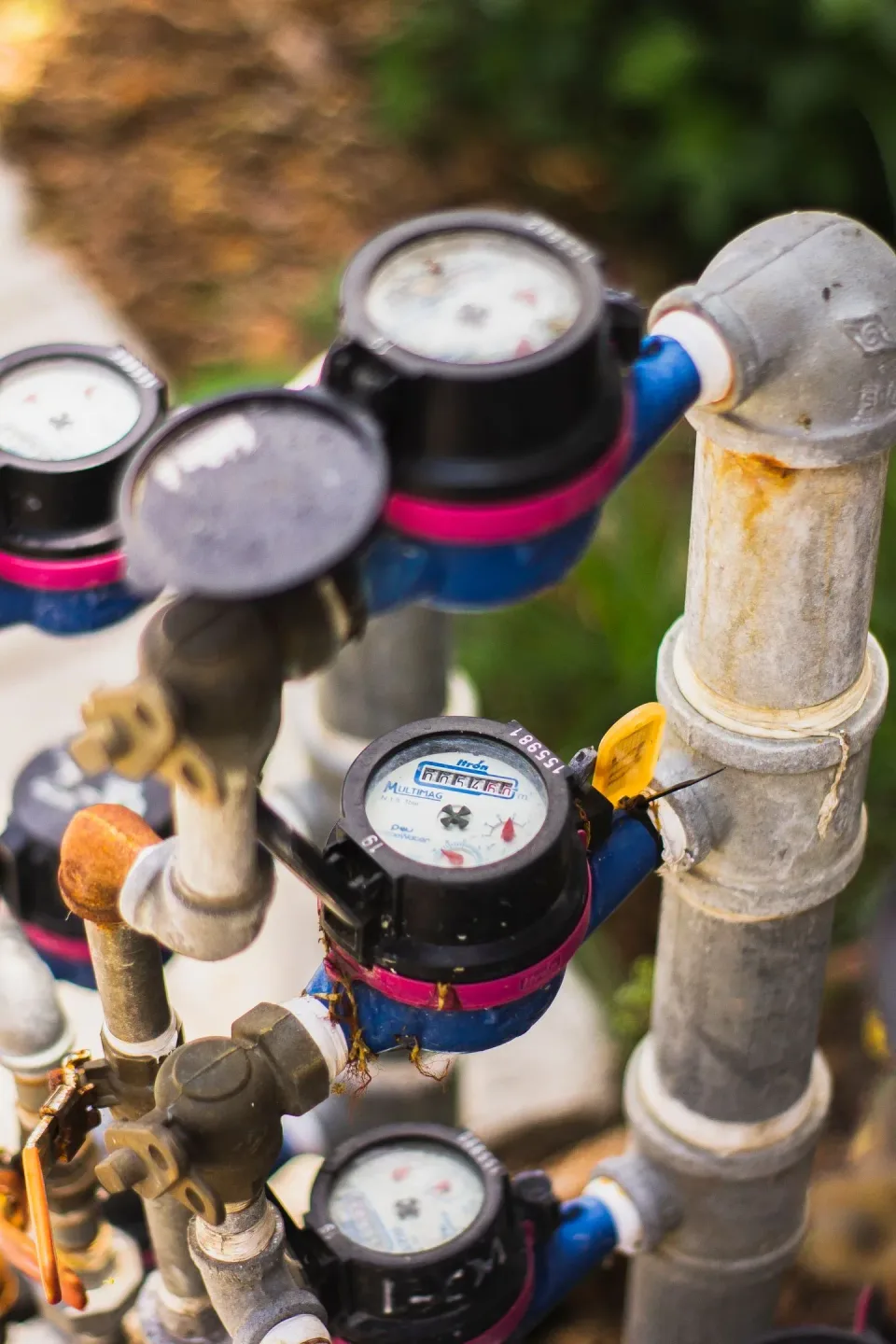
For a municipal home, municipal supply pressure diagnosis helps distinguish an incoming supply concern from a problem inside the house. For a well, pressure changes may involve the pump and tank system, so testing should account for how the equipment responds as fixtures open.
Whole-home pressure balancing can help identify whether one part of the plumbing is limiting flow while other fixtures operate. A home near the Maine State Aquarium may have a very different supply arrangement from a rural well property, so the address and system type matter more than a one-size-fits-all fix.
Coastal fog and salt air can also affect exposed equipment, making a visual check of accessible components useful. We trace the system before proposing a booster or replacement.
When should you DIY or call a plumber?
You can check whether a faucet screen is visibly obstructed and note which fixtures trigger the drop. If several fixtures lose pressure together, or pressure surges and then fades, stop swapping parts and arrange a professional assessment.
Clear access around the pressure tank before the visit; blocked equipment can make inspection slower and obscure the connections that need checking. During Maine’s cold, snowy winters, frozen outdoor pipes are another possible source of trouble if the loss is sudden or a vulnerable line is exposed.
A whole-home test is a better next step than installing a booster pump without confirming the cause. We use the readings to explain whether the likely path is a supply check, regulator work, or equipment repair.
Which Repair Fits a Whole-Home Pressure Drop?
If the upstairs shower weakens only when the kitchen tap runs, the right repair depends on whether the limit is at the supply, regulator, well equipment, or a line. Each option addresses a different cause.
| Option | Best for | Key detail |
|---|---|---|
| Municipal supply diagnosis | Several fixtures weaken in a city-connected home | Compare pressure during use with the system at rest. |
| Pressure regulator adjustment or replacement | A faulty valve affects flow across the home | Confirm valve condition and setting before replacement. |
| Pressure tank bladder replacement | A well system struggles to maintain delivery | Tank capacity, measured in gallons, must suit the system. |
| Booster pump installation | Supply is confirmed insufficient for household demand | Size the pump to expected demand, not a single fixture. |
A booster pump raises insufficient supply pressure, but it will not repair a leak or faulty control. Ask what test supports the recommendation and request pressure verification after the repair.
How Do You Prepare for a Pressure Test?
A clear record of what happens during a pressure drop helps us focus the visit. Start with the fixtures and conditions that trigger it. No special tools needed.
-
Note the symptoms: Record which fixtures run when flow falls and whether pressure returns after they shut off.
-
Confirm the supply: Tell the plumber whether the home uses municipal water or a private well; the home plumbing system is tested differently for each.
-
Make equipment accessible: Clear the area around the pressure tank or meter so the technician can reach connections safely.
-
Request a gauge test: A 0–200 PSI pressure gauge can capture readings, while comparing use conditions helps reveal pressure loss through pipe friction.
-
Leave valve changes alone: Pressure-reducing valve adjustment can affect the whole system, so have a plumber make changes after diagnosis.
If you are near the Maine State House, mention whether pressure loss began after a service interruption; cold, snowy winters can also put exposed pipes at risk.
Ready to Get Help With a Pressure Drop?
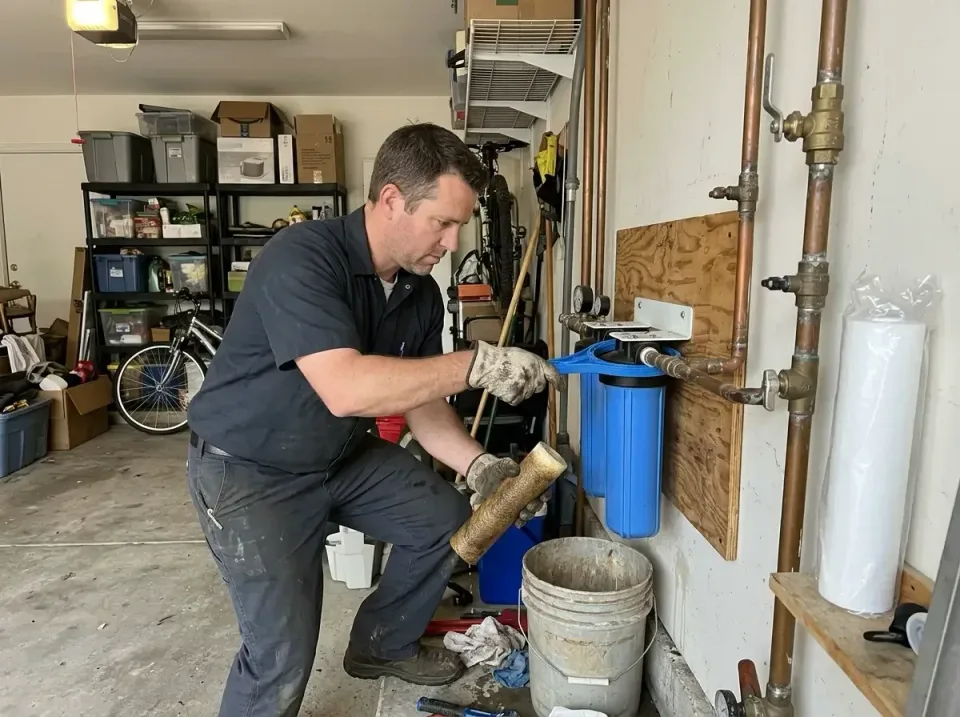
If the shower fades when the kitchen faucet opens, note which fixtures are running and whether the problem affects the whole home. A pressure regulator valve, a private-well system, or a water filter can each affect flow, so testing should identify the cause before parts are replaced. On a well, a mechanical room pressure assessment can include the accessible equipment and help narrow the next step.
Blaise Pascal’s hydrostatic pressure principles describe how water pressure acts, but a real home also has pipes, fixtures, and demand to account for. We’re Maine-licensed plumbing professionals and insured and bonded.
Spring snowmelt can saturate basements and well areas, so mention damp conditions near equipment. Contact Maine Plumbing Pros at (877) 773-0781 or request Water Pressure Diagnosis to discuss the symptoms and arrange an assessment.